Infinite Capacity Physical Therapy Blog Baseball Daniel Dallatore 8/5/25 Baseball Daniel Dallatore 8/5/25 Preventing Shoulder and Elbow Injuries in Youth Baseball Players Read More Performance, CrossFit Daniel Dallatore 7/29/25 Performance, CrossFit Daniel Dallatore 7/29/25 Why Most Back Pain Rehab Fails Athletes—And What Works Instead Read More Baseball Daniel Dallatore 7/22/25 Baseball Daniel Dallatore 7/22/25 Understanding the Root Cause of Youth Throwing Injuries (And Why Rest Isn’t Enough) Read More CrossFit, Performance Daniel Dallatore 7/15/25 CrossFit, Performance Daniel Dallatore 7/15/25 The Hidden Cost of Lingering Shoulder Pain in Training (And How to Fix It for Good) Read More Pelvic Health Daniel Dallatore 7/1/25 Pelvic Health Daniel Dallatore 7/1/25 Pelvic Floor Dysfunction: The Hidden Limiter in Functional Fitness Read More Performance, CrossFit Daniel Dallatore 6/24/25 Performance, CrossFit Daniel Dallatore 6/24/25 Why Active Recovery Days Matter More Than You Think Read More Daniel Dallatore 6/17/25 Daniel Dallatore 6/17/25 What We’ve Learned Visiting Local CrossFit Gyms Over the Past Year: A PT’s Perspective Read More Performance, CrossFit Daniel Dallatore 6/10/25 Performance, CrossFit Daniel Dallatore 6/10/25 Understanding and Managing Knee Pain During Squats Read More Pelvic Health, Performance, CrossFit, Baseball, Running Daniel Dallatore 6/3/25 Pelvic Health, Performance, CrossFit, Baseball, Running Daniel Dallatore 6/3/25 Building Core Strength for Better Performance, Stability, and Injury Prevention Read More Performance, Baseball, CrossFit, Running Daniel Dallatore 5/27/25 Performance, Baseball, CrossFit, Running Daniel Dallatore 5/27/25 Should I Push Through or Rest? A CrossFit Athlete’s Guide to Listening to Your Body Read More CrossFit, Performance Daniel Dallatore 5/20/25 CrossFit, Performance Daniel Dallatore 5/20/25 Top 5 Mobility Drills to Prevent Shoulder Injuries in CrossFit Read More Performance, CrossFit, Running Daniel Dallatore 8/31/23 Performance, CrossFit, Running Daniel Dallatore 8/31/23 The 4 Keys to Mastering Mobility Read More Newer Posts Older Posts
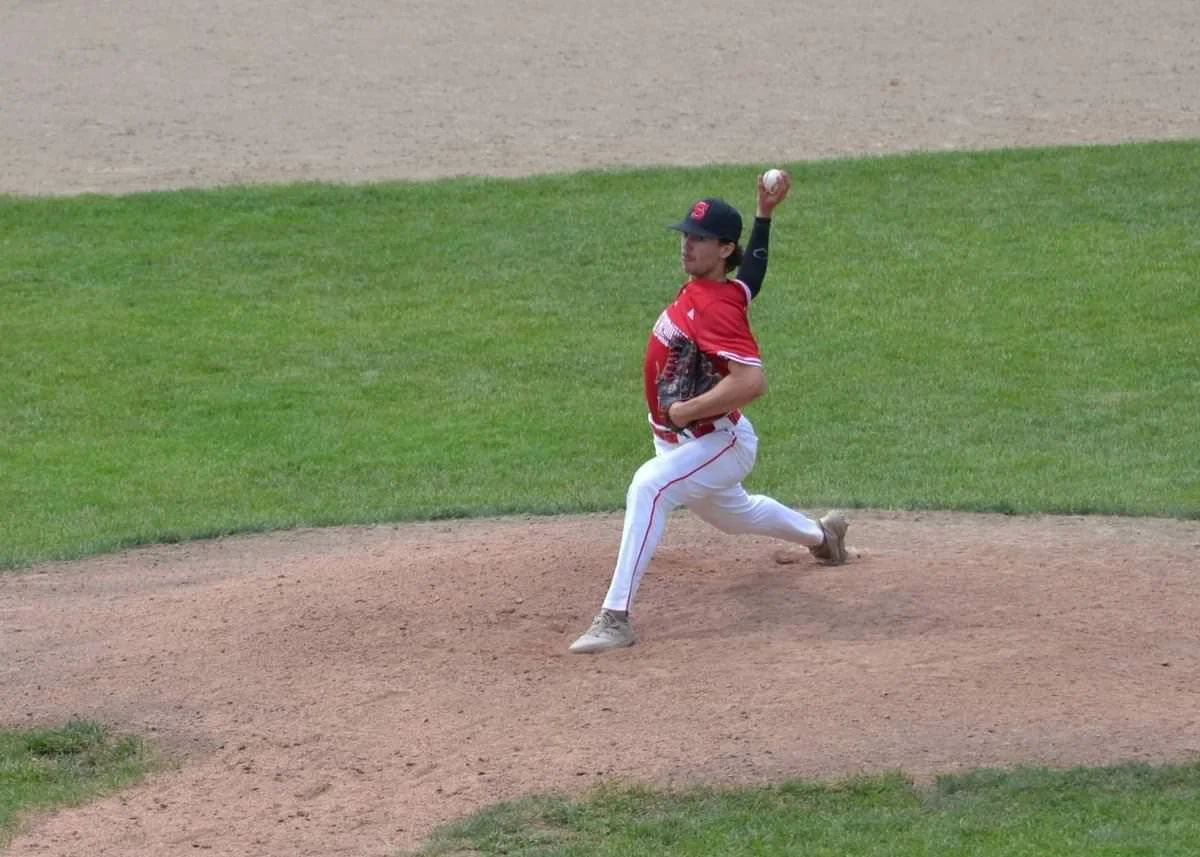
Baseball Daniel Dallatore 8/5/25 Baseball Daniel Dallatore 8/5/25 Preventing Shoulder and Elbow Injuries in Youth Baseball Players Read More
Performance, CrossFit Daniel Dallatore 7/29/25 Performance, CrossFit Daniel Dallatore 7/29/25 Why Most Back Pain Rehab Fails Athletes—And What Works Instead Read More
Baseball Daniel Dallatore 7/22/25 Baseball Daniel Dallatore 7/22/25 Understanding the Root Cause of Youth Throwing Injuries (And Why Rest Isn’t Enough) Read More
CrossFit, Performance Daniel Dallatore 7/15/25 CrossFit, Performance Daniel Dallatore 7/15/25 The Hidden Cost of Lingering Shoulder Pain in Training (And How to Fix It for Good) Read More
Pelvic Health Daniel Dallatore 7/1/25 Pelvic Health Daniel Dallatore 7/1/25 Pelvic Floor Dysfunction: The Hidden Limiter in Functional Fitness Read More
Performance, CrossFit Daniel Dallatore 6/24/25 Performance, CrossFit Daniel Dallatore 6/24/25 Why Active Recovery Days Matter More Than You Think Read More
Daniel Dallatore 6/17/25 Daniel Dallatore 6/17/25 What We’ve Learned Visiting Local CrossFit Gyms Over the Past Year: A PT’s Perspective Read More
Performance, CrossFit Daniel Dallatore 6/10/25 Performance, CrossFit Daniel Dallatore 6/10/25 Understanding and Managing Knee Pain During Squats Read More
Pelvic Health, Performance, CrossFit, Baseball, Running Daniel Dallatore 6/3/25 Pelvic Health, Performance, CrossFit, Baseball, Running Daniel Dallatore 6/3/25 Building Core Strength for Better Performance, Stability, and Injury Prevention Read More
Performance, Baseball, CrossFit, Running Daniel Dallatore 5/27/25 Performance, Baseball, CrossFit, Running Daniel Dallatore 5/27/25 Should I Push Through or Rest? A CrossFit Athlete’s Guide to Listening to Your Body Read More
CrossFit, Performance Daniel Dallatore 5/20/25 CrossFit, Performance Daniel Dallatore 5/20/25 Top 5 Mobility Drills to Prevent Shoulder Injuries in CrossFit Read More
Performance, CrossFit, Running Daniel Dallatore 8/31/23 Performance, CrossFit, Running Daniel Dallatore 8/31/23 The 4 Keys to Mastering Mobility Read More