Pelvic Muscles Training: How Active Adults Build Strength Without Giving Up the Workouts They Love
By Dr. Julie Pettit-Lane PT, DPT
Pelvic Muscles Training: Why It Matters for Active Adults
The pelvic floor is more than just a group of muscles in the pelvis; it is a dynamic system with five key functions, often called the "5 S’s." For an active adult, these roles are critical to how your body moves and performs:
Stability: Acting as the base of your core to transfer force from your trunk to your limbs.
Sphincteric: Maintaining bladder and bowel control.
Sump Pump: Assisting lymphatic fluid in returning from the legs to the midline.
Sexual Function: Supporting arousal and orgasm.
Support: Holding pelvic organs in place.
While all five are vital, stability is the heavy hitter for athletes. A stable midline ensures that force transfer is efficient and powerful, whether you are sprinting, deadlifting, or tackling box jumps. When your pelvic floor functions optimally, your movement patterns become safer, stronger, and more efficient.
When the pelvic floor is inefficient, you don't just lose stability. You may notice a lack of support (feeling heaviness or pressure), changes in sexual function (pain or difficulty with orgasm), or a loss of sphincteric control (leaking urine, stool, or gas).
While these symptoms are incredibly common among athletes, they are not normal. You don’t have to "just live with it" to keep training. Just like your glutes or lats, the pelvic floor is a muscle group that can be trained to meet the specific demands of your sport.
What Are the Pelvic Muscles (And What Do They Actually Do)?
Think of the pelvic floor as a muscular "sling" at the base of your core. To keep you moving, these muscles must be strong, mobile, and coordinated. They are responsible for:
Load transfer during heavy lifting.
Impact control during running and jumping.
Continence and organ support.
Common Signs Your Pelvic Muscles Need Training
Athletes often notice symptoms when their pelvic floor isn't keeping up with their training volume. These include:
Leaking when coughing, laughing, or exercising.
Frequent or urgent trips to the bathroom.
Pelvic heaviness or pressure.
Constipation.
Pelvic, hip, or tailbone pain.
Pain with sexual activity.
Symptoms that worsen with fatigue, high volume, or heavy loads.
If you find yourself avoiding specific movements you used to enjoy because of these symptoms, your pelvic floor likely needs specialized attention.
Why “Just Do Kegels” Isn’t Pelvic Muscles Training
Kegels can build contraction strength, but they are only one piece of the puzzle. For many athletes, strength isn't the problem, coordination and mobility are.
If your symptoms are driven by a lack of mobility (muscles that are too "tight" or over-active), performing endless Kegels can actually make the issue worse. Furthermore, the pelvic floor doesn't work in isolation; it must coordinate with your diaphragm, core, and movement.
You also need appropriate loading. With athletes, just kegels isn’t enough. Think of it this way: You wouldn't try to increase your 1RM back squat by only lifting an empty 45lb bar. Similarly, you cannot fix leaking during a high-impact workout by only doing static contractions on the couch.
How We Approach Pelvic Muscles Training for Athletes and Active Adults
Here at Infinite Capacity, we use a three step process to ensure we get you back to training without symptoms.
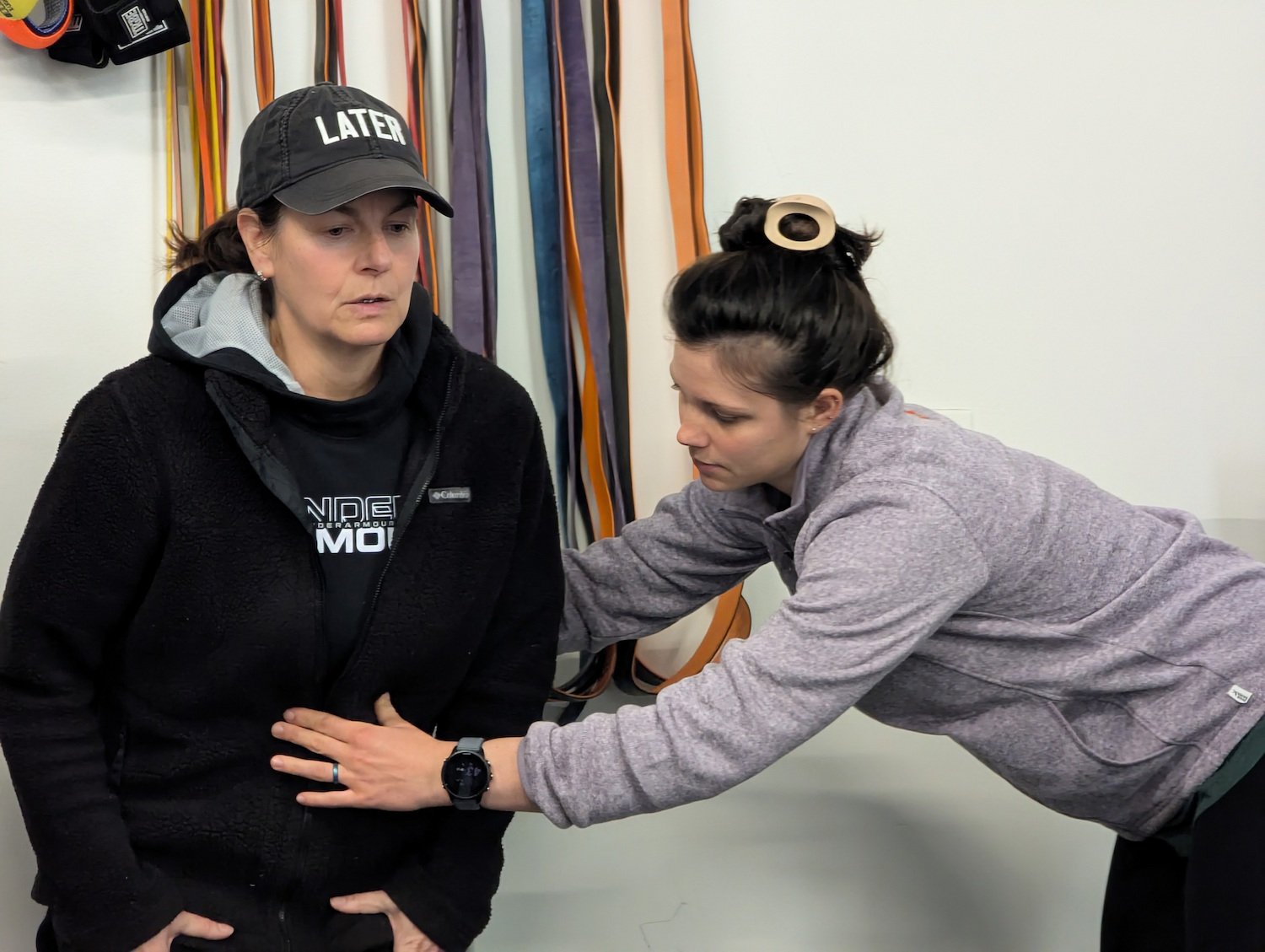
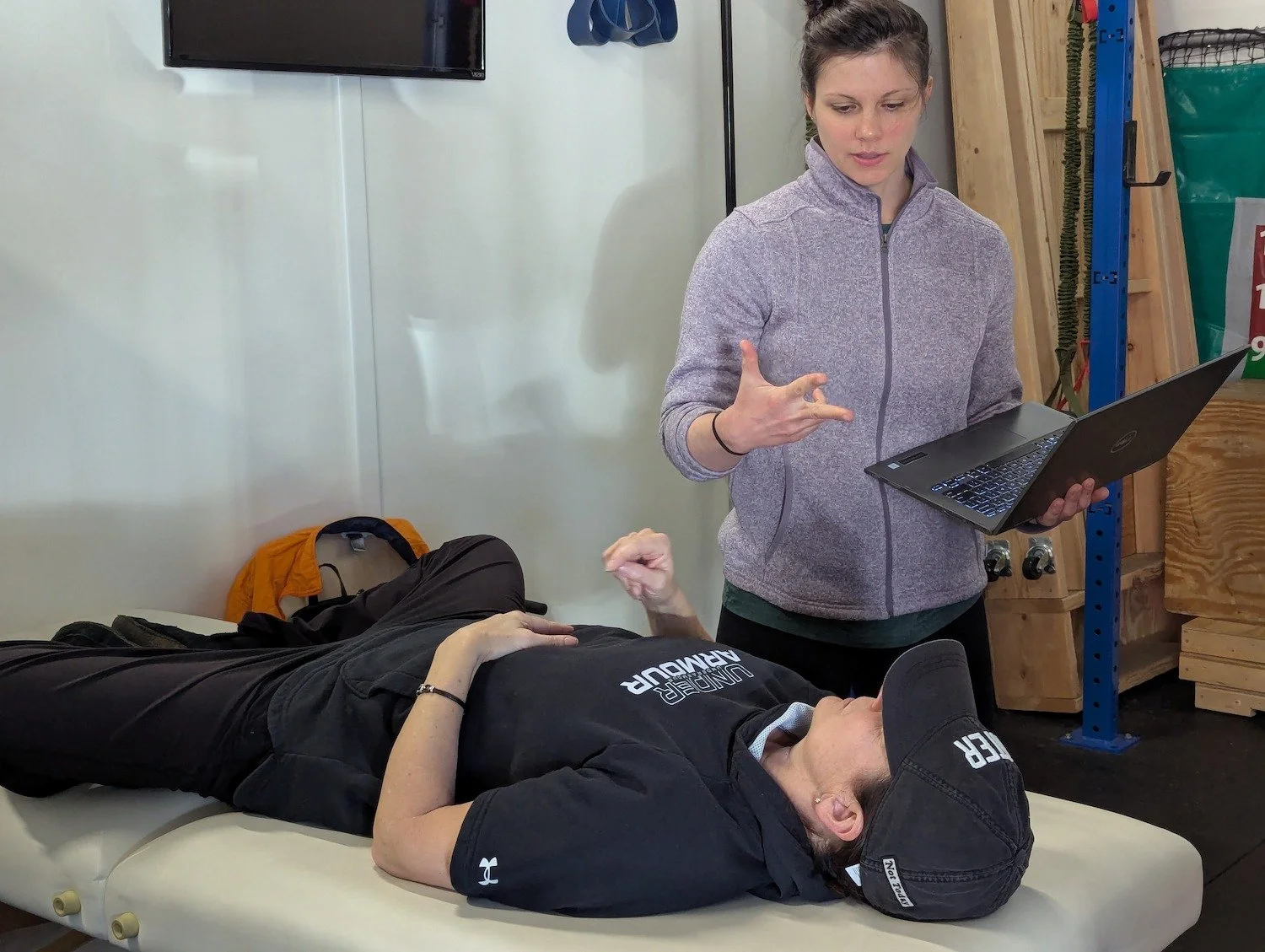
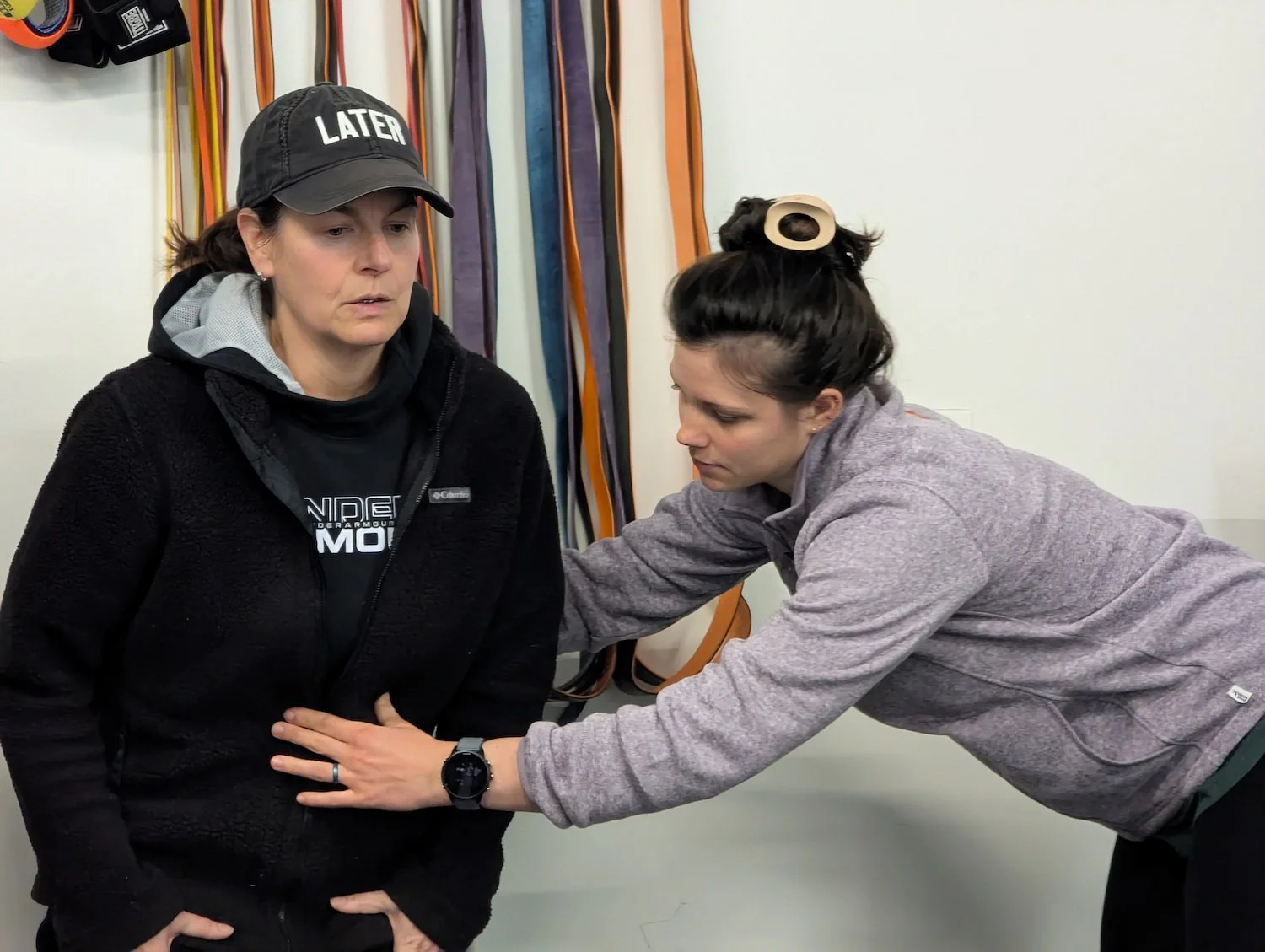
1. Find the root cause: We evaluate the strength, mobility, and coordination of your pelvic floor, trunk, and hips. We analyze your breathing, bracing, and movement patterns to see exactly where the system is breaking down.
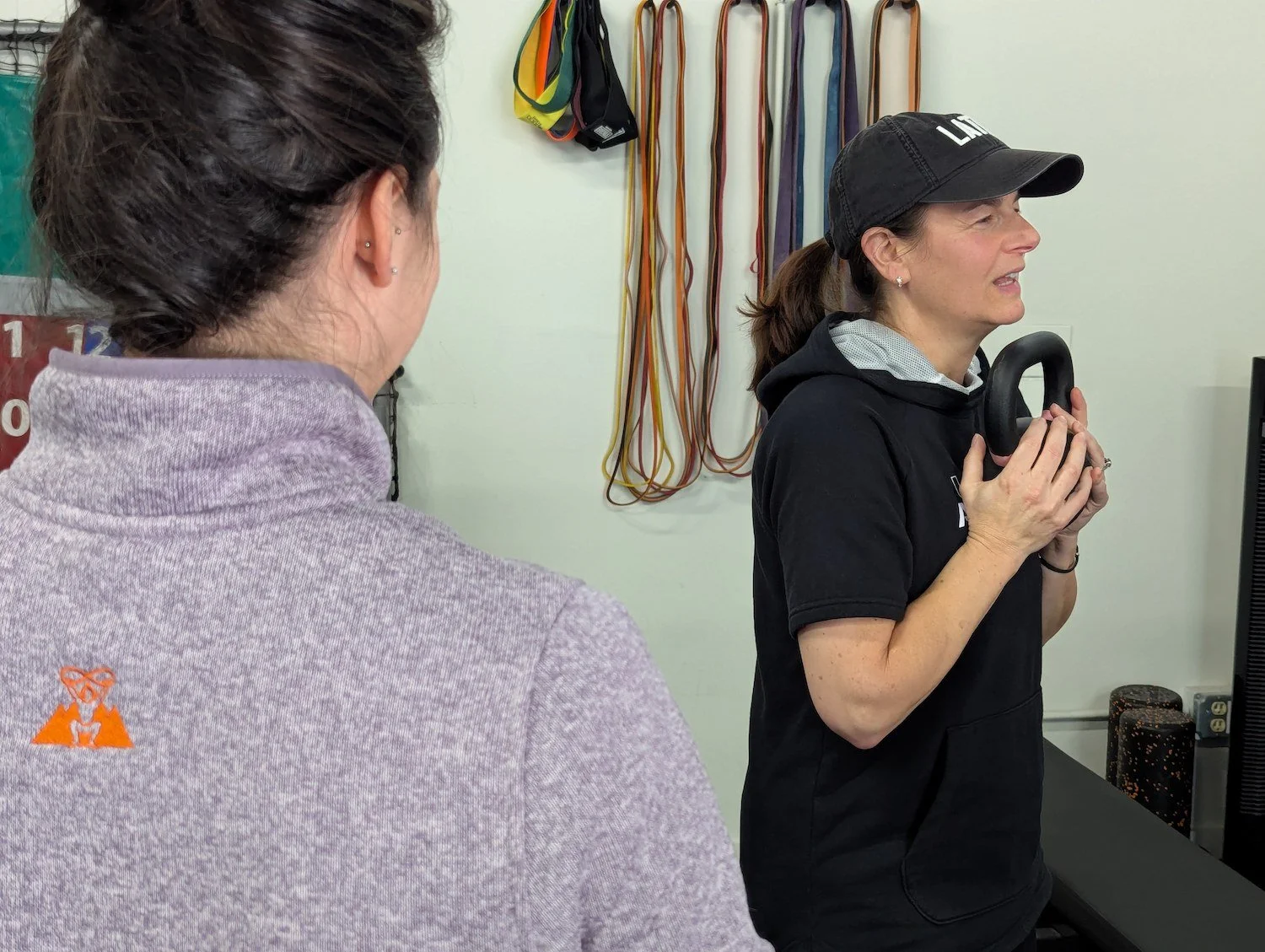
2. Fix the issue: We implement targeted exercises and manual techniques that integrate the pelvic floor with your entire body. We use progressions that match the actual demands of your training.
3. Perform and prevent: We move toward return-to-load and high-intensity impact. We don't just stop the symptoms; we build the capacity and resilience needed to prevent them from returning as your training progresses.
Can You Lift, Run, and Train While Working on Pelvic Muscles?
Short answer: Yes. The long answer is that we use smart modifications. We meet your pelvic floor where it is currently while continuing to challenge your fitness. By staying active, you maintain your hard-earned strength and avoid the "fear-avoidance" cycle. Our goal is to improve your strength, mobility, and coordination under load so you can lift and jump with total confidence.
What Happens If Pelvic Muscle Issues Are Ignored?
Ignoring pelvic floor symptoms like leaking, pressure, or pain doesn’t make them go away; it usually forces your body to find "workarounds" that lead to bigger problems.
When you consistently push past these warning signs, the strain compounds as your training demands increase. Over time, you may find your symptom threshold dropping. What used to only happen at a 1RM deadlift might start happening during warm-ups, or you may find yourself leaking earlier into a run or after fewer double-under reps.
The long-term result is a "self-limiting" athlete. You lose confidence in your body, start avoiding certain movements, and eventually face deconditioning and frustration.
The good news? By addressing these issues early, you can:
Achieve faster results before compensation patterns become "hard-wired."
Maintain your training volume without the mental fatigue of worrying about symptoms.
Unlock your full potential by ensuring your foundation (the pelvic floor) is as strong as the rest of your body.
Real Results From Pelvic Muscles Training
Susie, an avid CrossFitter, noticed she was holding back. She used to string together 75 double unders, but lately, she was leaking after just 30 reps. She even started skipping heavy barbell days to avoid leaking during deadlifts and squats.
After a physical therapy evaluation, Susie discovered her pelvic floor wasn't weak, it was over-working.It lacked the mobility to handle the pressure of jumping and heavy lifts. By focusing on "downtraining" (relaxation), core positioning, and pressure management while also addressing core strength limitations, she returned to heavy lifts and high-rep jump rope days, completely leak-free!
Where to Find a Pelvic Health Physical Therapist Who Can Help You Get Started With Pelvic Muscles Training
You don't need endless appointments or to quit training. You need a plan that respects your goals.
If you’re looking for a pelvic PT in the Greater Portland, Maine area, schedule a Free Discovery Call! Let’s chat about your training, your goals, and how we can get you back to 100%. We will make sure we are the right fight for you. Book today to start building a more resilient core and get back to training!
Next On Your Reading List