RUNNING PT
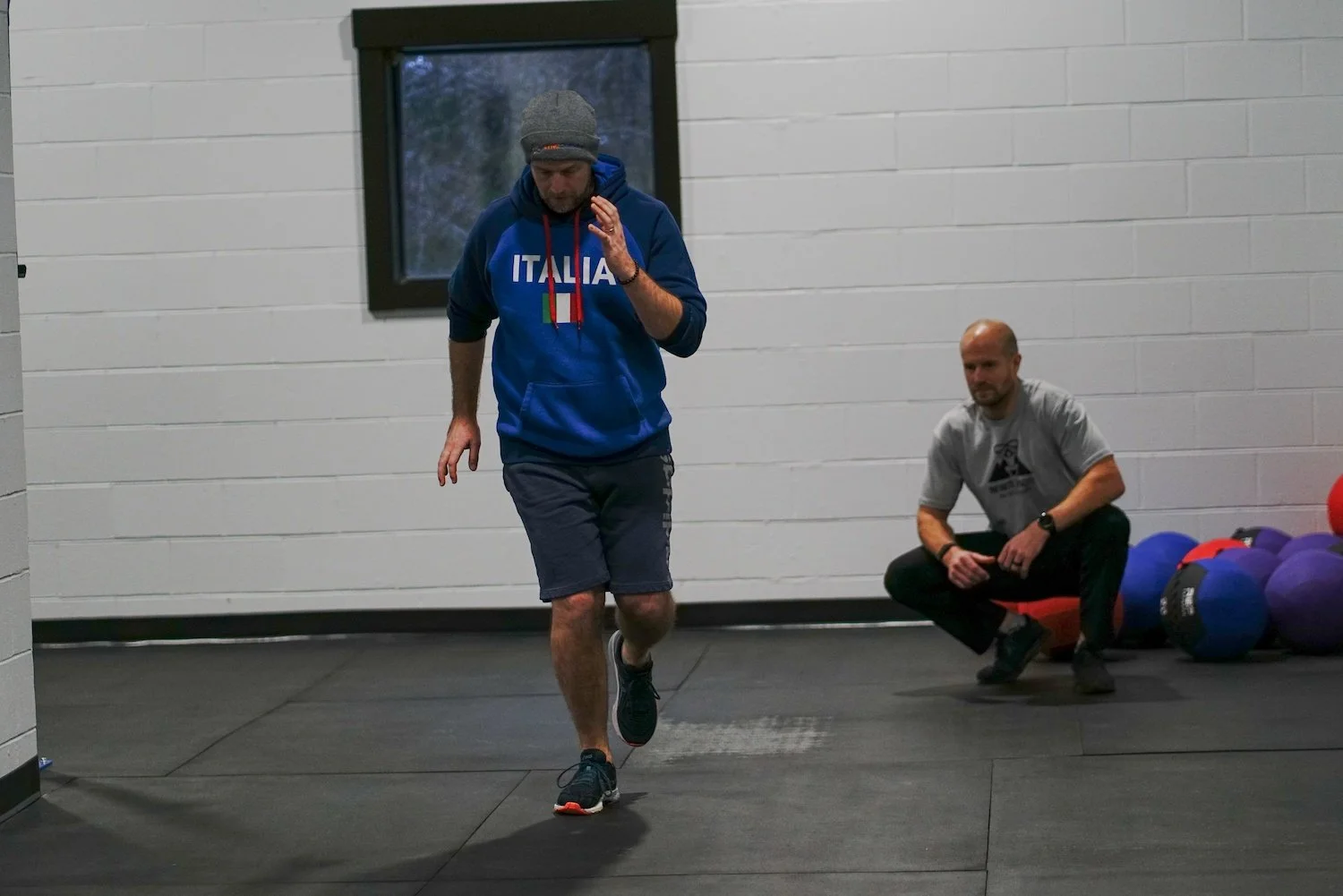
At Infinite Capacity Physical Therapy, we understand the unique demands of runners, from running mechanics to strengthening programs. Our comprehensive approach blends rehabilitation, injury prevention, and performance training to help you achieve peak performance while minimizing the risk of injury.
Whether you're looking to improve your running mechanics, prevent running-related injuries, or recover from one, our performance services will help you reach your goals. Schedule a free discovery call and take the next step in your running journey!
DR. DAN DALLATORE PT, DPT, OCS
Our 3-Step Process to Improve Running Performance
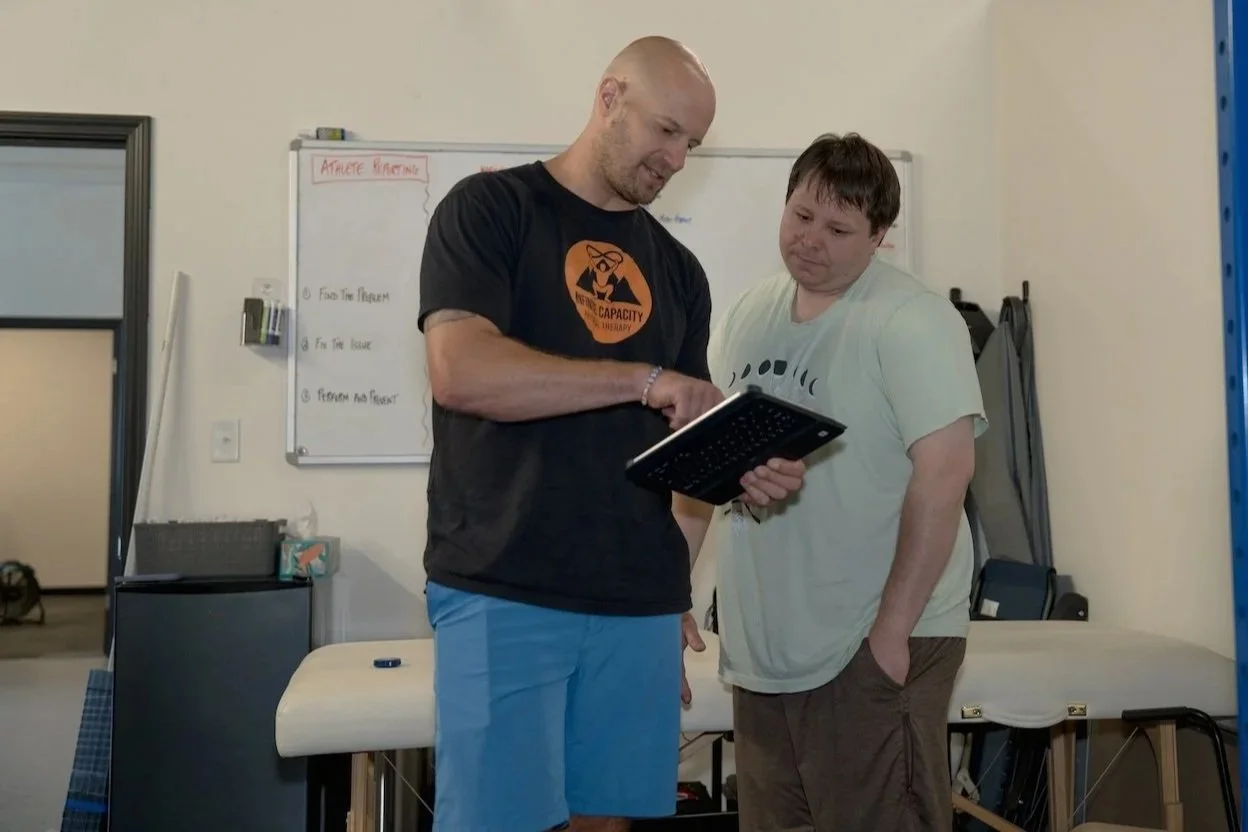
Step 1: Find the Root Problem
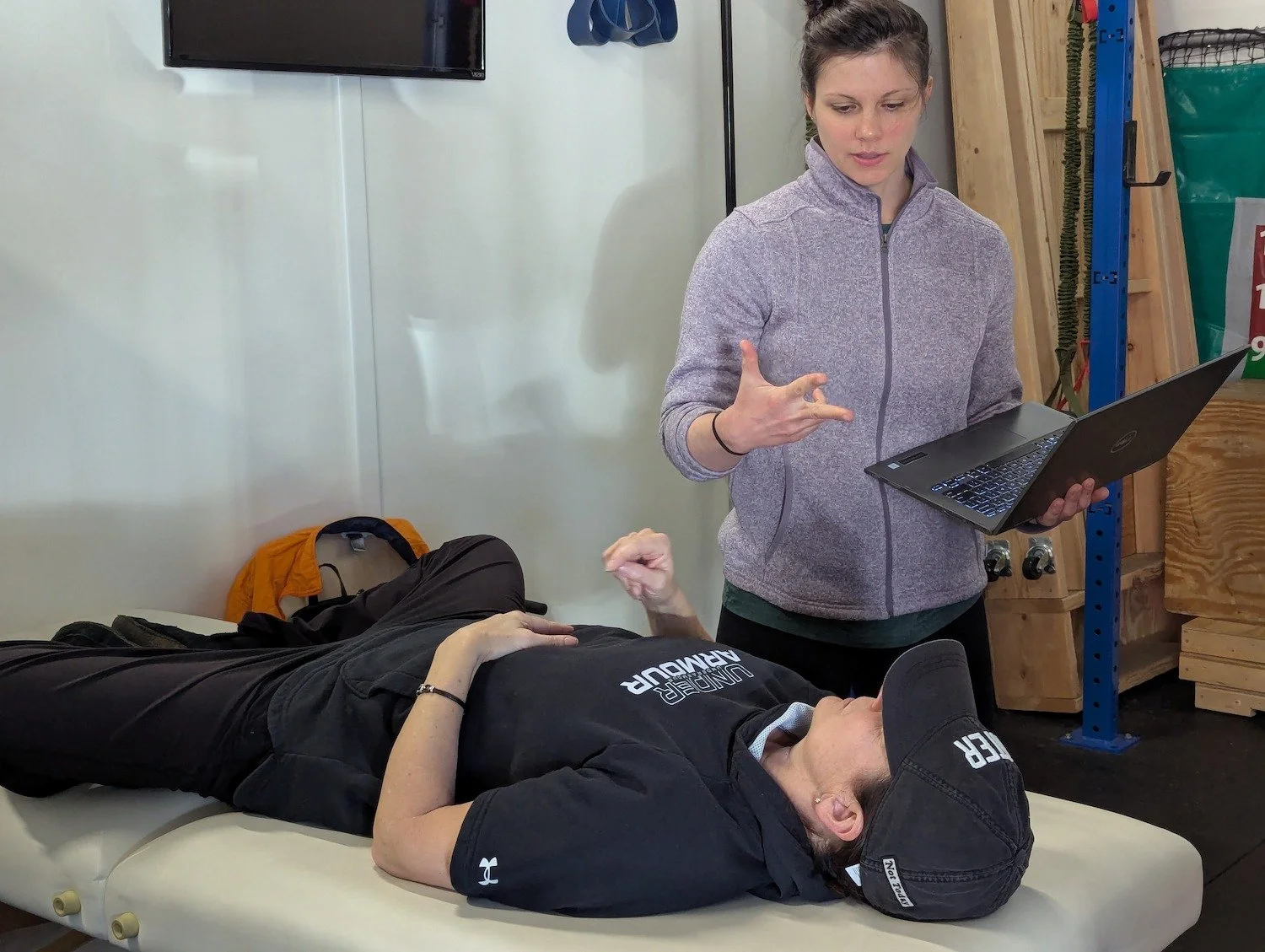
Whether you’re battling a running-related injury or trying to return to running after a hiatus, the first step is to take a deep dive with a running evaluation.
During the assessment of mobility, strength, and video running analysis, we identify areas that need to be addressed to fix any current issues, improve mechanics, and prevent future running-related injuries.
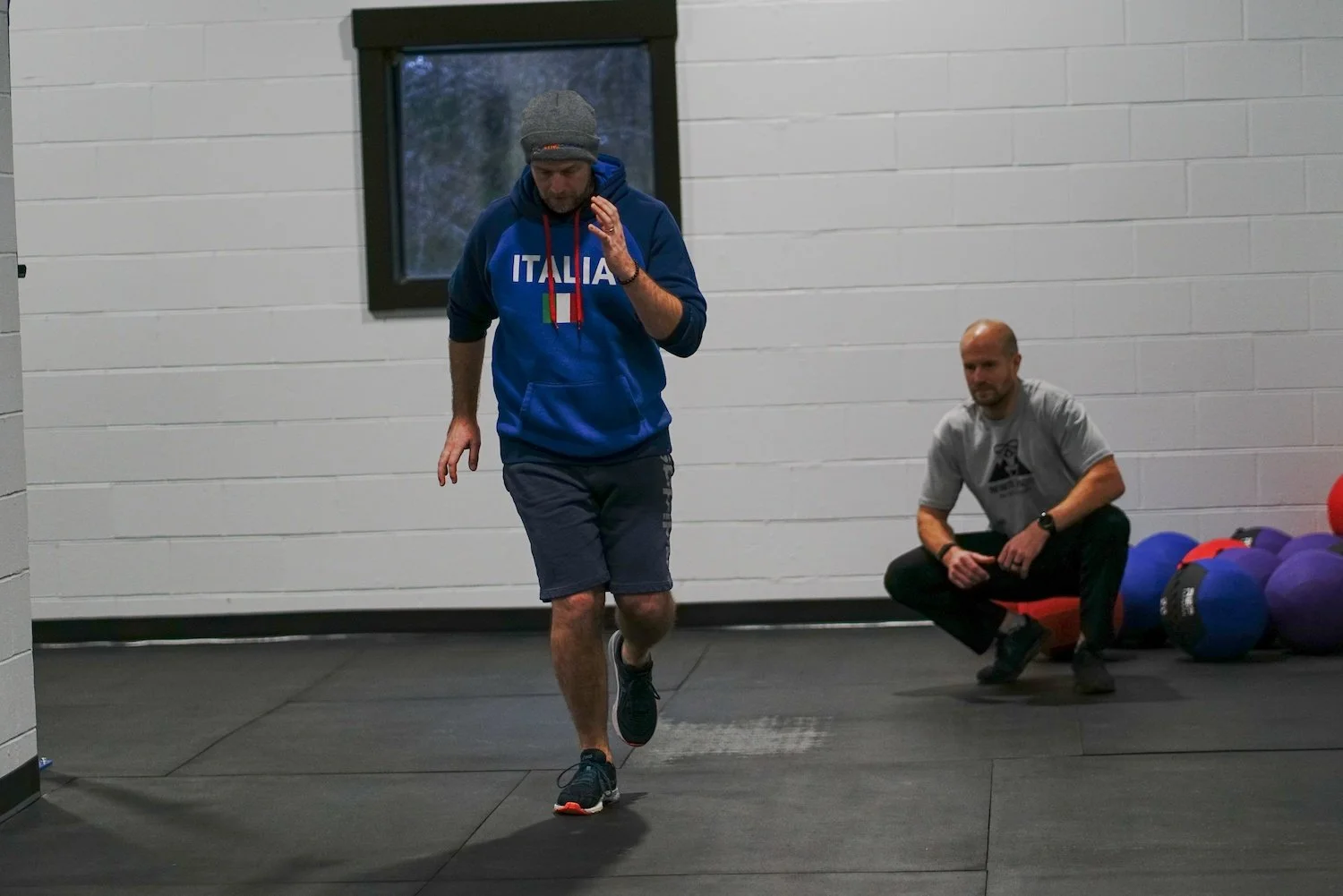
Step 2: Fix the Issues
Through a focus on running specific exercises, we built the strength and dial in the mechanics needed to support the mechanical stresses placed on the body while running (which can be 3x bodyweight or more every single step).
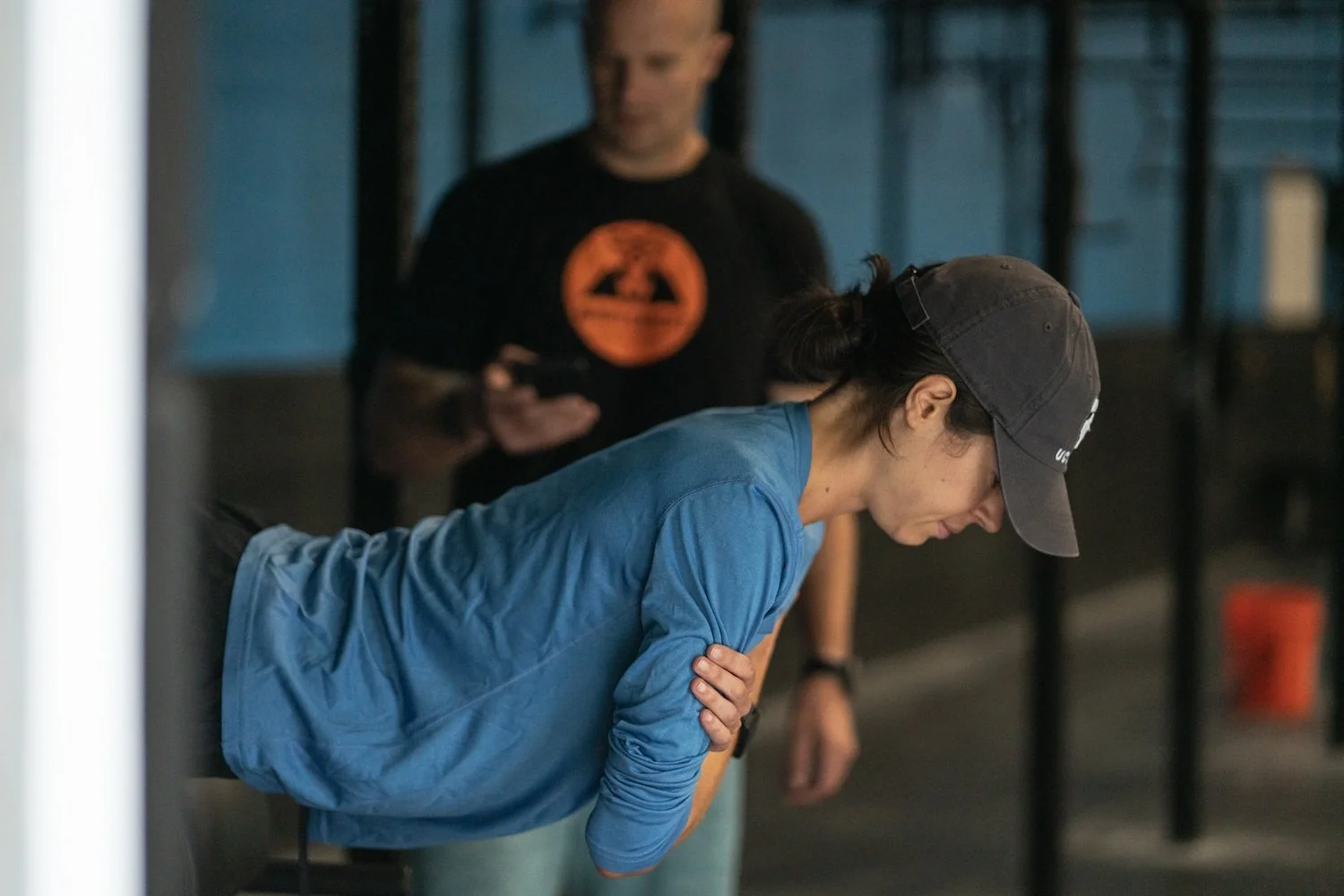
Step 3: Perform and Prevent
During the final step, we provide you with a systematic running progression. Designed to gradually increase running duration and intensity, you can confidently get back on the road to your running goals.
We also fine tune your overall strength based on research established parameters to prevent running-related injuries and optimize your running efficiency.
What We Do In Physical Therapy For Runners
-
Low Back Pain
Sciatica
Hip Pain
Glute Tendinitis
TFL Strains
Piriformis Syndrome
Hamstring Tendinitis
Hip Flexor Pain and Tightness
Groin Strains
Knee Pain
Runner’s Knee
IT Band Syndrome
Patellar Tendinitis
Meniscus Tears
Calf, Ankle, and Foot Pain
Shin Splints
Achilles Tendinitis
Ankle Sprains
Plantar Fasciitis
Big Toe Pain
-
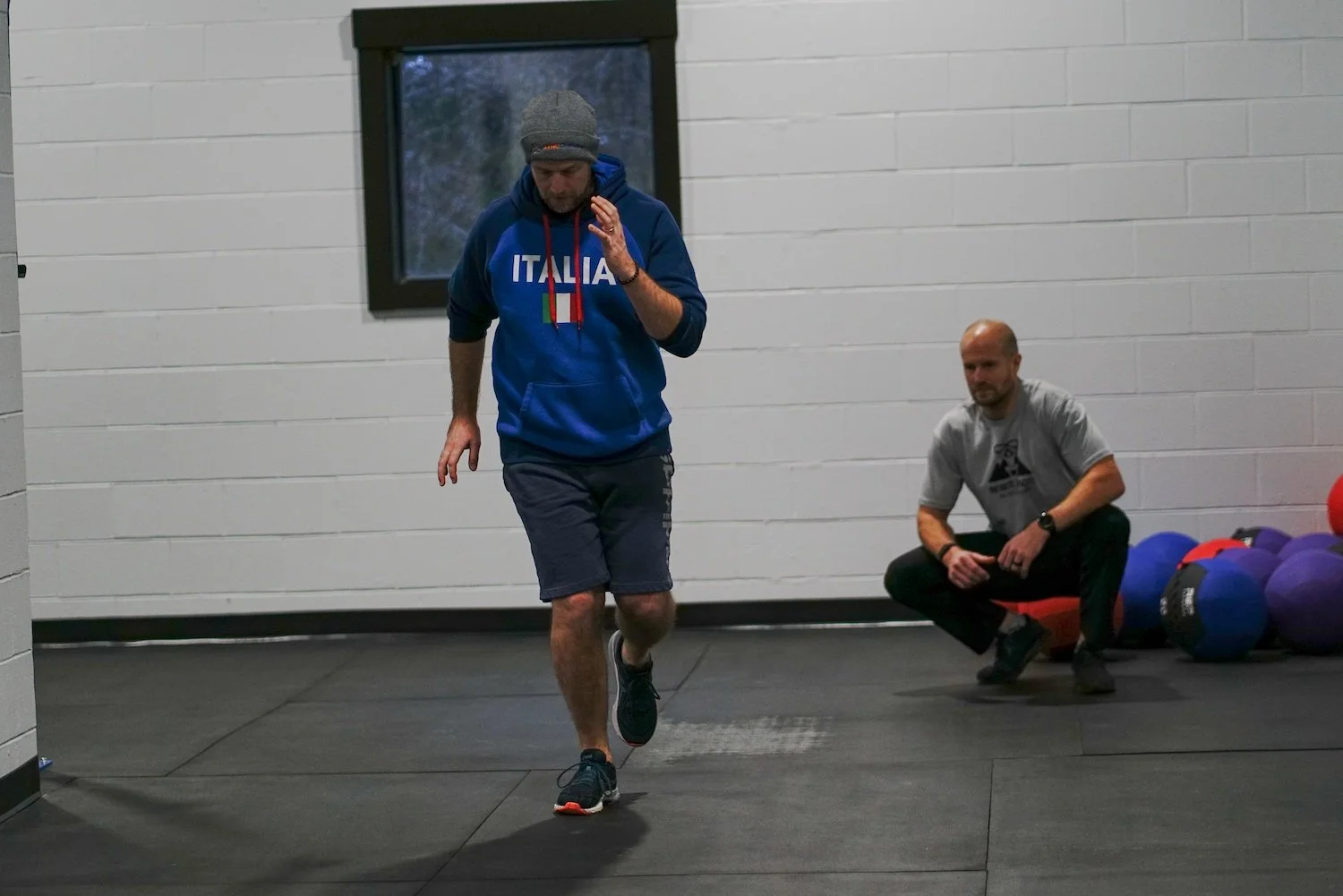
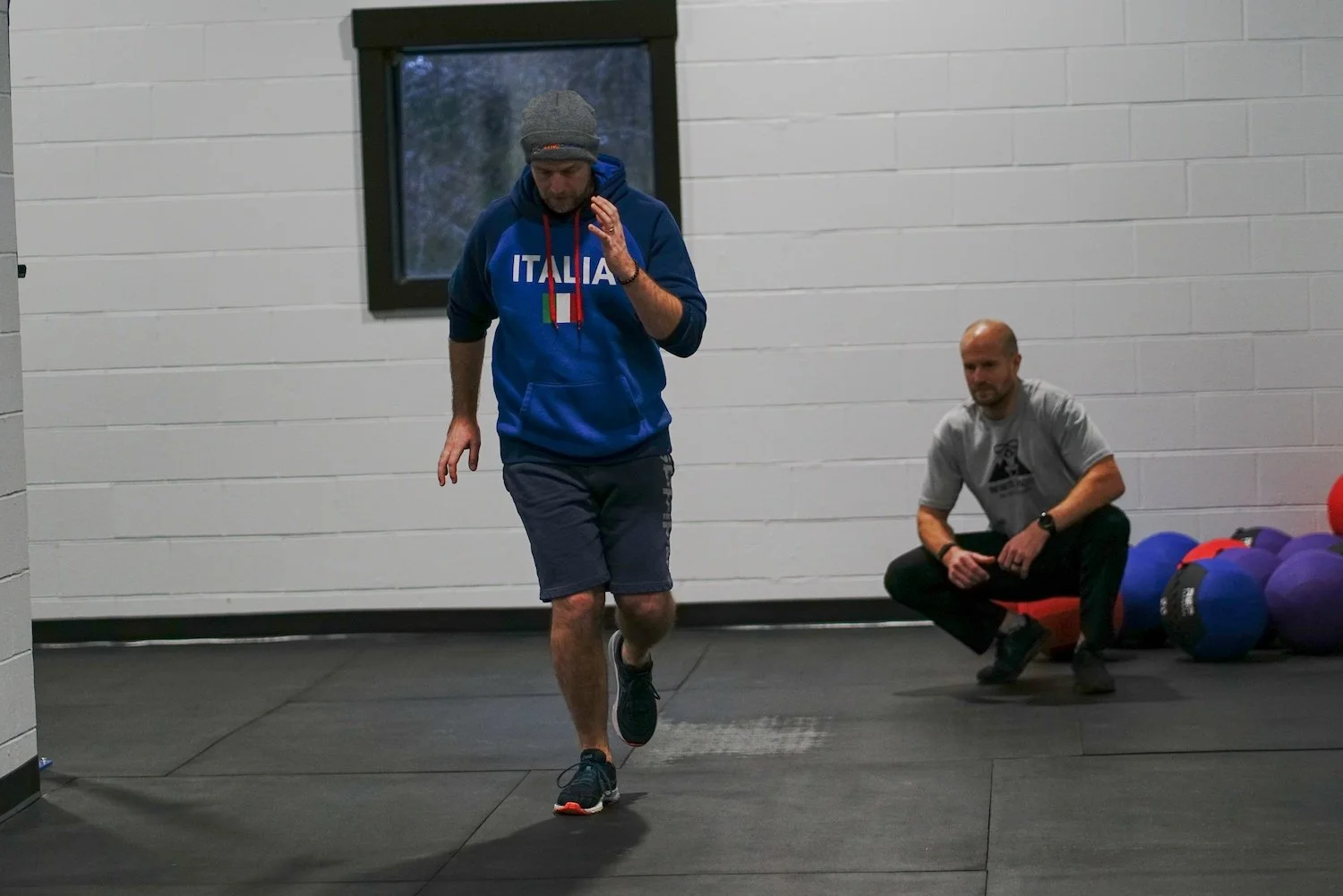
We utilize a combination of our trained expert eye and video motion capture to break down your running mechanics, identify faults, and plan appropriate fixes
-
Utilizing the best available clinical technology, we collect hard data to assist with clinical decision making. No more “best guess” during your sessions!
Hawkin-Dynamics Force Plates
Neuromuscular Readiness Assessments
Running-Related Jumping Metrics
Isometric Strength Testing
VALD Dynamo
Isolated Muscle Strength Testing
-
Shoulder, spine, hip, knee, ankle, and even big toe mobility are make-or-break when it comes to running mechanics, performance, and injury prevention.
Using our expert understanding of running mechanics, we break down these patterns joint-by-joint to assess the mobility requirements needed to optimize running efficiency.
-
Isolated strength deficits or imbalances can result in pain, movement faults, or performance issues.
Using the data gathered with technological measurements, we formulate a specific plan to address strength deficits to decrease pain and improve running performance.
Whether your goal is to get out of pain or increase your pace, we utilize proven and evidence-based strength and conditioning principles to get the job done!
Low-Load Hypertrophy with Blood Flow Restriction Training
Progressive Overload Principles
Periodized Training Cycles: Hypertrophy/Strength/Peak
-
Spending an hour with us once per week to once per month won’t get the job done. The majority of the process lies in your hands and what you do outside the physical therapy clinic.
We make sure you know what to do every step of the way. Through the help our programming app, you exactly what to do and when to do it. We use the app for:
Home Therapy Exercises (complete with what days, sets, reps, and exercise videos)
Strength Programming
Return to Running Progressions
Frequently Asked Questions About Physical Therapy for Runners
-
Absolutely. A running PT helps you heal, rebuild strength, correct mechanics, and safely progress back to running with a clear return-to-run plan.
-
Not at all. Many runners come in without pain but want to improve form, increase efficiency, build strength, or train with fewer flare-ups. Running PT is just as valuable for performance optimization as it is for injury rehab.
-
Yes. Many running-related issues don’t appear until fatigue sets in. A running PT evaluates mechanics, strength, mobility, and training loads to find the root cause and help you progress your mileage without symptoms returning.
-
Most definitely. If the same injuries keep coming back, there’s almost always an underlying mechanical or strength deficit driving it. Running PT addresses those deeper factors so you can finally break the cycle and stay consistent.
-
It’s for every runner. Newer runners benefit from technique coaching, strength development, and learning proper loading so they avoid injuries as they build mileage.
Learn More About Running Physical Therapy in Our Featured Blog Articles