Knee Soreness After Running: Why It Happens and How to Fix It
Many runners know the feeling. Your run goes great, and you feel like you really hit your stride. You get back home or go to work, sit around for a while. Then when you go to get up and walk, that’s when it hits. Knee soreness that wasn’t there before.
While it can be frustrating and might make you feel concerned, this is a normal part of being active and running regularly. The good news is that pain does not necessarily mean damage. Especially when it happens after the fact and is not related to an acute traumatic incident.
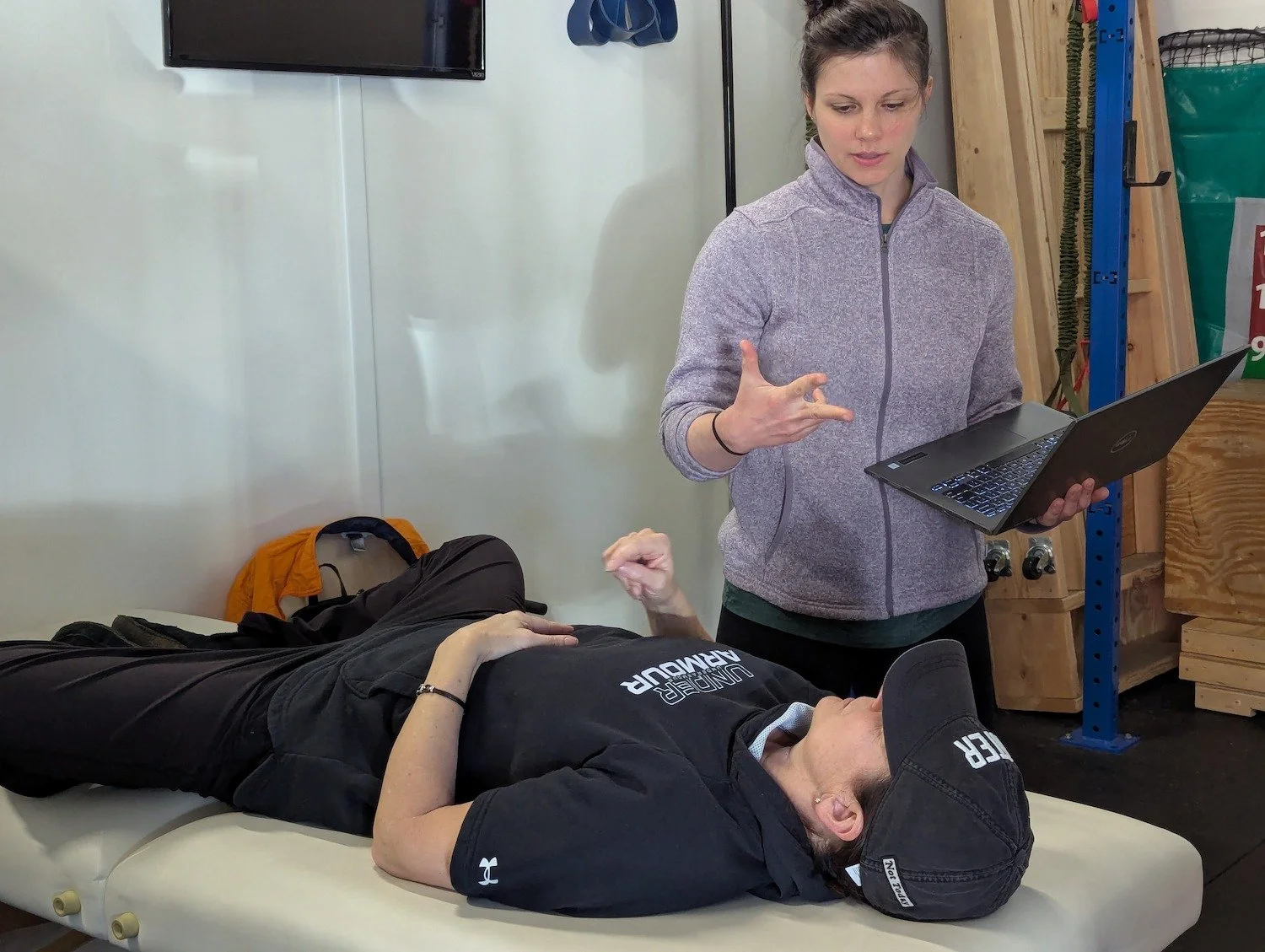
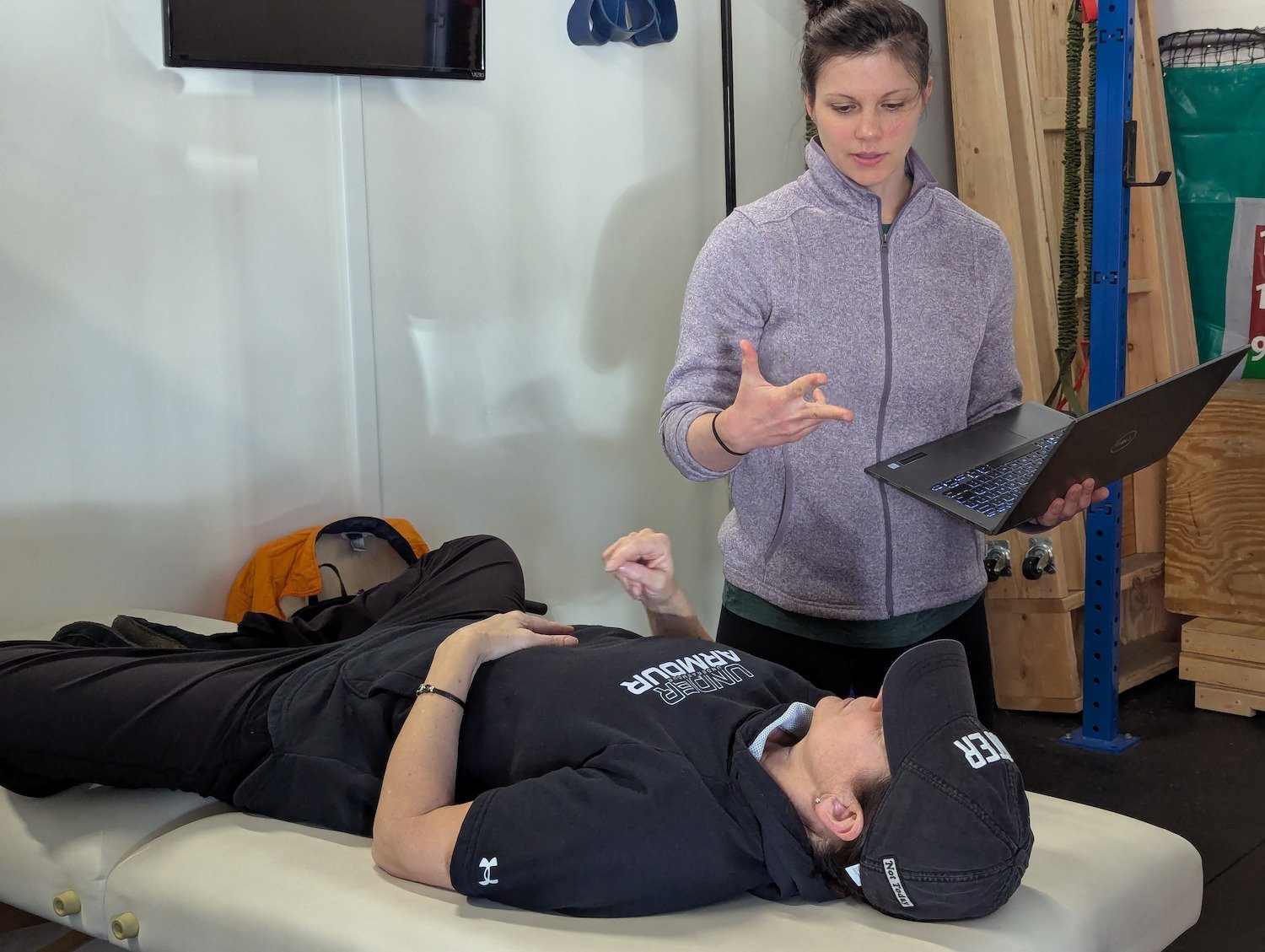
The even better news is that this soreness is fixable with the right approach. As physical therapists in the Greater Portland area, we’ve helped many athletes with symptoms just like this. In this article, we’ll discuss what can lead to this soreness, why rest alone doesn’t fix it, and what you can do to solve the problem.
Common Causes of Knee Soreness After Running
There are numerous reasons for soreness in the knees related to running, a few include:
· Sudden increases in distance or time
· Sudden increases in intensity (pace, intervals, hills, etc.)
· Weakness or poor muscular control in hips or ankles
· Limited hip or trunk mobility changing knee stresses
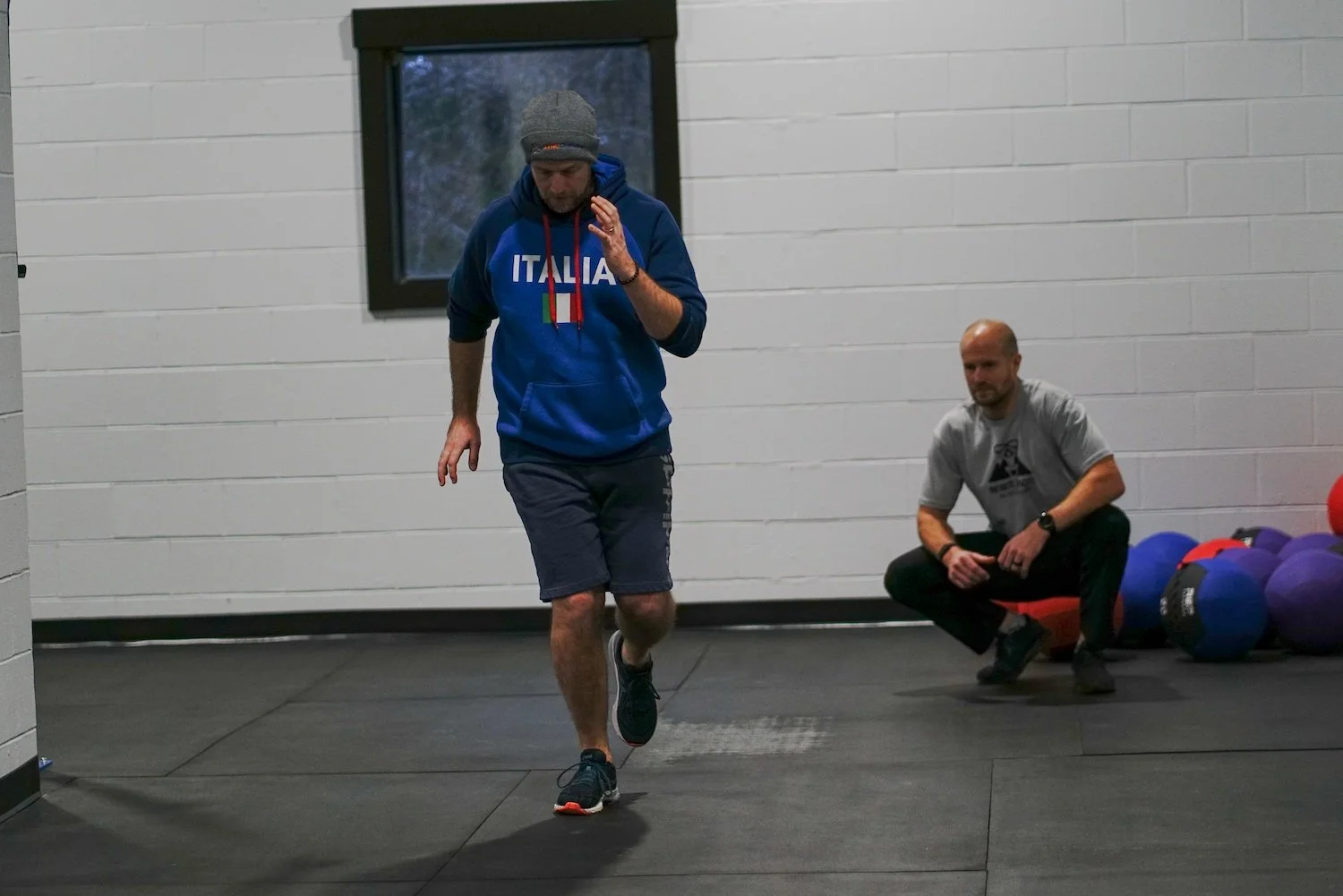
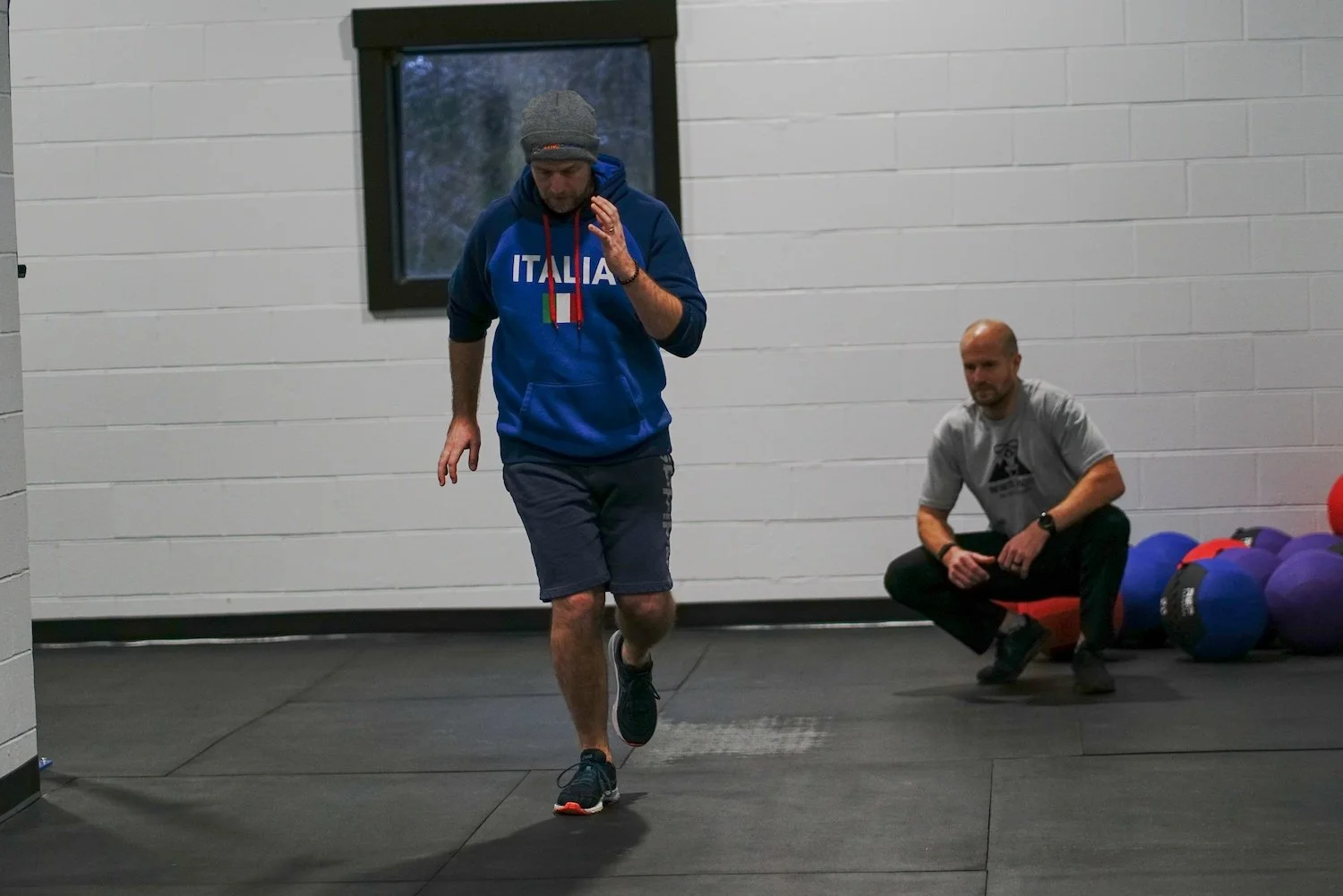
· Running form capacity issues rather than “bad form” (things break down over time)
Why Rest Alone Doesn’t Solve the Problem
Many of our patients come to us after trying to fix the problem on their own by resting, icing, using their massage gun, etc... But many of them experience the following:
· Symptoms calm down but capacity doesn’t improve
· Pain returns as soon as running resumes
· Leads to fear, inconsistency, and loss of fitness
Sound familiar? This is because rest, ice, etc. can be good for decreasing inflammation, resulting in symptoms going away. But it doesn’t address any of the underlying strength, mobility, or capacity issues that caused the symptoms in the first place.
A Smarter Plan to Fix Runner Knee Pain
There’s a better way than staying stuck on the hamster wheel cycle of run → pain → rest → repeat.
An expert clinician can help you:
· Identify where the body is underprepared for running load
· Progressive strength training for trunk, hips, knees, and ankles
· Gradual and progressive return-to-run programming
· Education on pain vs harm and injury prevention techniques
That’s exactly what we do at Infinite Capacity Physical Therapy. We help our athletes:
· Identify the underlying cause
· Fix the issue once and for all
· Perform and prevent it from returning
When to Get Help
While not every little ache and pain is a sign you need to see a professional, there are some indicators that point to needing help:
· Pain lasting longer than 2–3 weeks
· Needing to skip or cut runs short
· Pain worsening instead of improving
· Fear of running despite wanting to train
Where to find a Running PT who can help you with knee pain from running (and one who understands your needs and training demands)
If you’re looking for a physical therapist in South Portland, Maine, our clinic, Infinite Capacity Physical Therapy serves the Greater Portland area and we’d love to help you. We help athletes and active adults manage pain so they can continue with their training and active lifestyles.
Ready to get rid of knee pain and keep training? Book a discovery call today and start building towards stronger, pain-free running.
Next on Your Reading List