How to Fix Lower Back Pain From Rowing: A Guide for CrossFit & HYROX Athletes
In our performance physical therapy clinic, a common issue we see in functional fitness athletes is back pain during or after rowing workouts.
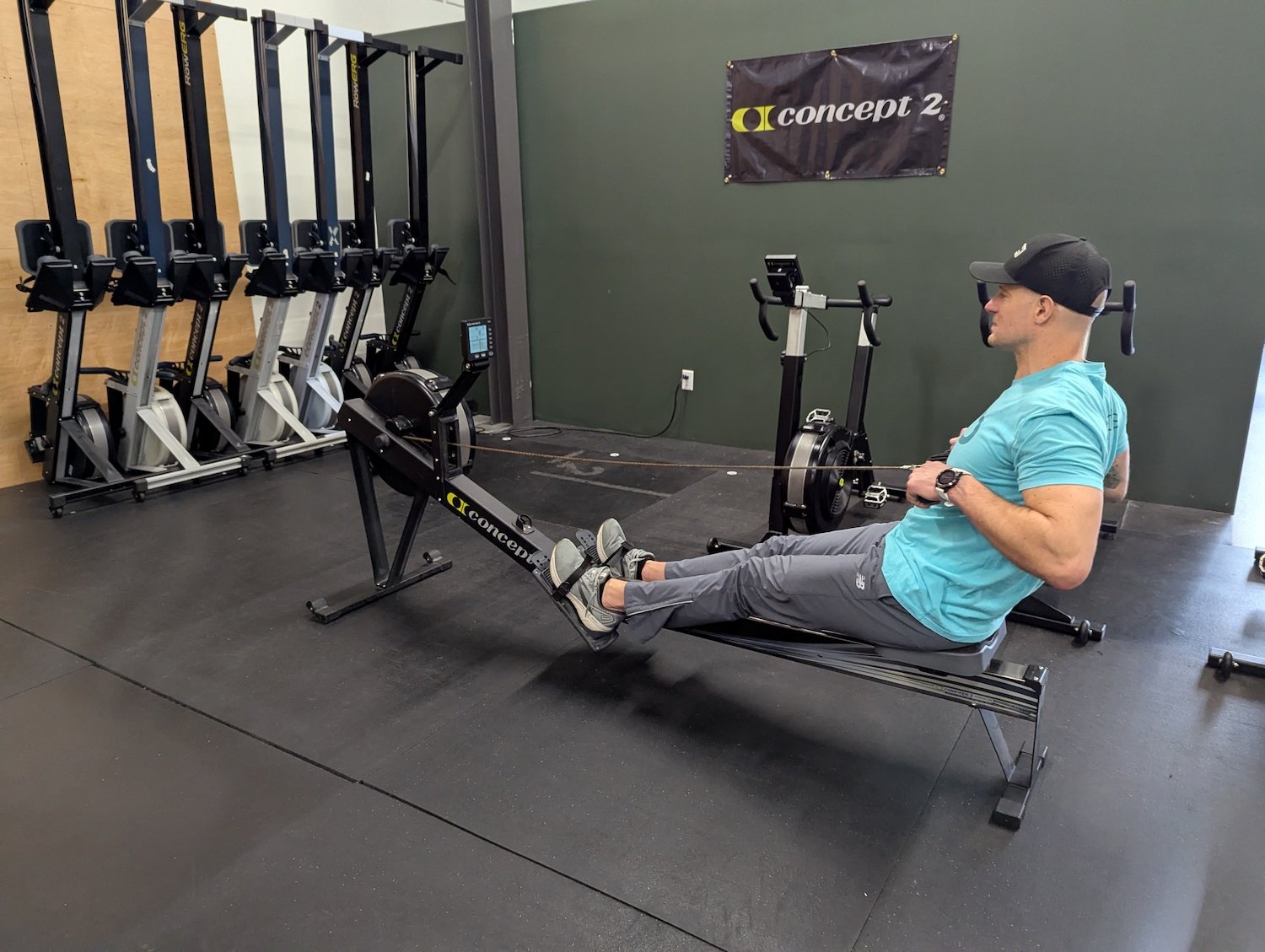
The rowing ergometer is a common implement in both CrossFit and HYROX training, and is one of the eight functional movement stations included in every HYROX race.
The good news is, you likely don’t need to stop rowing altogether. While diving into the nuances of rowing technique in each phase of the stroke is beyond the scop of this blog, we’ll cover both: the causes of lower back pain from rowing, as well as how to fix it.
Why Rowing Typically Causes Lower Back Pain
There are multiple potential causes when looking at the cause of low back pain from rowing, including:
Overuse of lumbar spine instead of hips
Poor sequencing of the back and legs during the rowing cycle
Fatigue leading to breakdown in technique
Limited hip mobility
Each of these causes ultimately leads to the same couple of issues:
Over utilization of the lower back muscles and/or
Repetitive movement through the spine stroke after stroke
Common Technique Issues
Several of the common issues we see in athletes’ technique when they come to us with low back pain from rowing are:
Early back pull before leg drive
Overextending at finish
Lack of ability to maintain static lumbar position under fatigue
These mechanical faults performed at high volume and/or intensity tend to be the proverbial “straw that breaks the camel’s back”.
Mistakes Athletes Make
When experiencing pain from rowing, most people attempt one of the following:
Ignore the symptoms and row through pain
Using stretching the back as the only intervention
Ignoring technique work
Avoiding rowing or exercise completely in attempt to “let it rest”
While these might all seem like acceptable strategies (other than ignoring symptoms), none of them address the underlying issues that are responsible for the problem.
How to Fix Lower Back Pain From Rowing
Step 1: Find the root cause
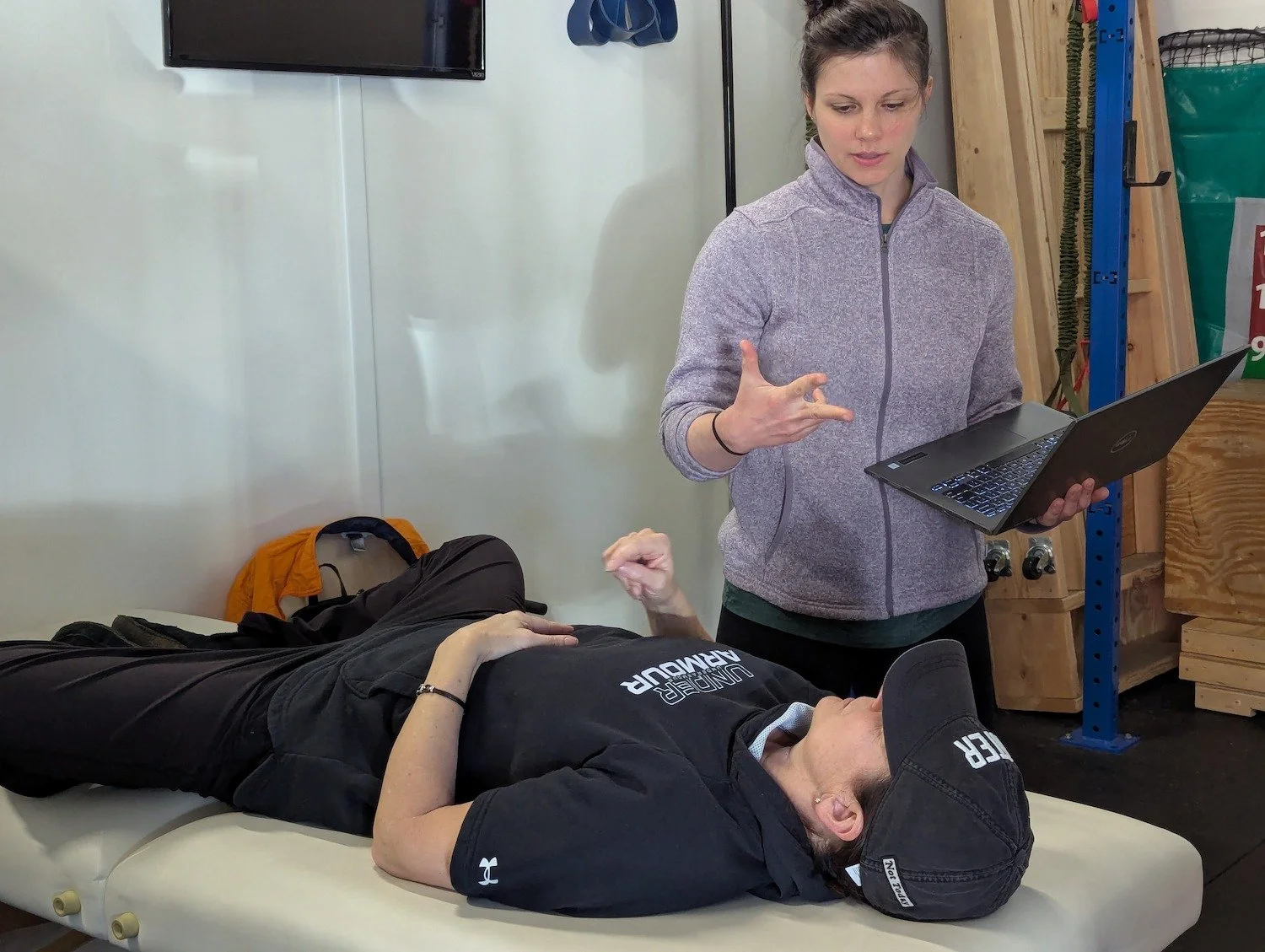
Assess rowing mechanics
Evaluate hip mobility + core strength and control
Assess training volume and recovery strategies
Step 2: Fix the issue
Reinforce proper sequencing during the pull phase (legs → hips/trunk → arms)
Reinforce proper sequencing during the recovery phase (arms → hips/trunk → legs)
Improve core strength and endurance under load
Step 3: Perform & prevent
Gradual reintroduction to volume
Integrate into full training program
Key Drills & Exercises
We have an extensive list of exercises that we use when working with athletes dealing with low back pain from rowing in CrossFit or HYROX, and each individual case dictates which exercises we use, at what loads, and at what point in their plan of care. But a few of our favorites that tend to pop up with most athletes are:
Hip hinge patterning
Kettlebell and barbell deadlifts (technique-focused)
Global-flexion core exercises
Rowing pause drills
Where to find a sports physical therapist in the Greater Portland area who can help you with lower back pain from rowing.
When looking for help with these issues, it is important to work with a physical therapist who has experience with CrossFit/HYROX athletes, has a true understanding of rowing mechanics, integrates both strength + conditioning, and doesn’t stop when the pain goes away, but has a return-to-performance and prevention focus.
Remember that back pain from rowing is usually a technique and load issue, so fixing movement patterns is key! You don’t need to totally avoid rowing, but you should address symptoms early to keep training hard.
If you want to break out of the low back pain cycle, book a FREE Discovery Call so we can discuss how Infinite Capacity Physical Therapy can guide you to conquer rowing and get back to pain-free performance.
Next on your reading list